+971525174521
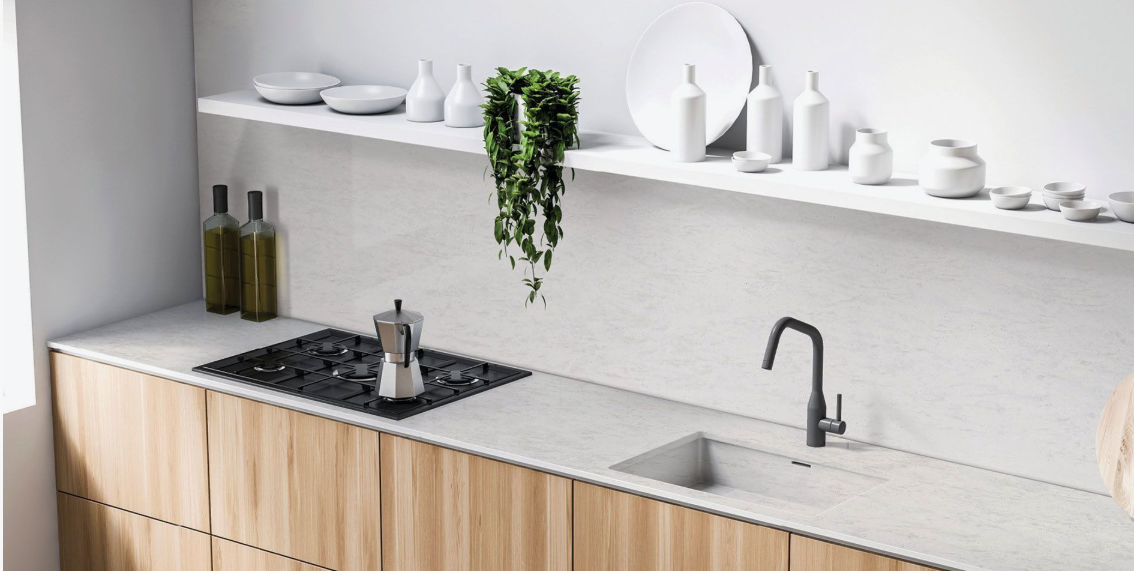
Great interiors often feel effortless. Surfaces meet quietly, edges flow naturally, and nothing interrupts the visual harmony of the room. This refined appearance is one reason Hanex solid surface has become a preferred material for modern interior spaces. Designers value it for its ability to form smooth, continuous surfaces that feel both elegant and practical.
Unlike conventional materials that rely on visible joints or heavy edging, Hanex offers a more fluid approach to surface design. Kitchens, reception counters, wall claddings, and bathroom vanities can appear as if they were crafted from a single piece. Materials such as Staron solid surface share similar characteristics, which is why both are widely selected for projects that demand visual consistency and long-term durability.
Creating Continuous Surfaces That Feel Natural
One of the defining features of Hanex is its ability to produce almost invisible joints. Individual sheets can be joined carefully and polished until the seams blend with the surrounding surface. The result is a continuous appearance that supports minimalist interior themes.
This characteristic allows designers to create extended countertops, integrated sinks, and uninterrupted wall panels. The finished surface appears unified rather than assembled when installed correctly. That subtle visual harmony plays a significant role in making interiors feel calm, balanced, and thoughtfully designed.
Flexible Design Possibilities
Interior design often requires materials that adapt to creative concepts rather than restrict them. Hanex solid surface responds well to shaping and contouring, which opens possibilities for curved counters, sculpted reception desks, or softly rounded wall features.
Architects appreciate this flexibility when designing custom environments. Commercial spaces such as hotels, offices, and retail environments benefit from unique installations that reflect brand identity. Similar materials, including Staron solid surface, are frequently used for this purpose because they support both creativity and structural stability.
Clean Aesthetics with Practical Benefits
A refined appearance is only valuable when it is supported by everyday practicality. Hanex surfaces are non-porous, which helps prevent moisture absorption and limits the buildup of stains or bacteria. This property makes the material suitable for kitchens, healthcare areas, and hospitality settings where cleanliness is essential.
Another advantage is the ease of maintenance. Small scratches or marks can often be repaired through simple surface refinishing. Over time, this ability to restore the finish helps maintain the polished look that seamless interiors rely on.
A Consistent Look Across Interior Spaces
Design continuity plays an important role in modern architecture. With Hanex solid surface, the same material can be used for multiple elements within a room. Countertops, shelves, wall panels, and wash basins can share a consistent tone and texture.
This visual connection creates a cohesive atmosphere. The interior feels carefully composed rather than pieced together, as every surface relates to the next. Many designers combine Hanex with materials such as Staron solid surface to maintain this visual consistency across larger projects.
Final Takeaway
True elegance in interior design rarely comes from decorative excess. It often emerges from quiet precision and thoughtful material choices. Hanex solid surface supports this philosophy by allowing designers to create uninterrupted surfaces that feel refined and balanced.
Whether used in residential kitchens or commercial reception areas, the material brings together durability, hygiene, and visual continuity. When these qualities work together, interiors gain a sense of calm sophistication that remains appealing long after design trends change.
Frequently Asked Questions
1. What makes Hanex solid surface suitable for seamless interiors?
Hanex solid surface can be joined with nearly invisible seams, allowing installers to create large, continuous surfaces. This ability helps designers achieve smooth countertops, integrated sinks, and uninterrupted wall panels that enhance the visual harmony of interior spaces.
2. How does Hanex solid surface compare with Staron solid surface?
Both Hanex solid surface and Staron solid surface offer similar benefits such as non-porous composition, repairable finishes, and design flexibility. Designers often choose between them based on color selection, project specifications, and supplier availability.
3. Is Hanex solid surface a good option for kitchens and bathrooms?
Yes. Hanex solid surface resists moisture absorption and supports easy cleaning, making it well-suited for kitchens and bathrooms. Its seamless installation also reduces areas where dirt or bacteria might accumulate.
4. Can Hanex solid surface be repaired if it gets scratched?
Minor scratches or marks can usually be removed through surface refinishing. This repairability helps maintain the original appearance of the material and extends the lifespan of countertops, vanities, and other installations.
5. Where is Hanex solid surface commonly used in interior design?
Hanex solid surface is widely used for kitchen countertops, bathroom vanities, reception desks, wall cladding, and custom furniture. Its adaptability allows designers to create cohesive surfaces throughout residential and commercial environments.