 +971525174521
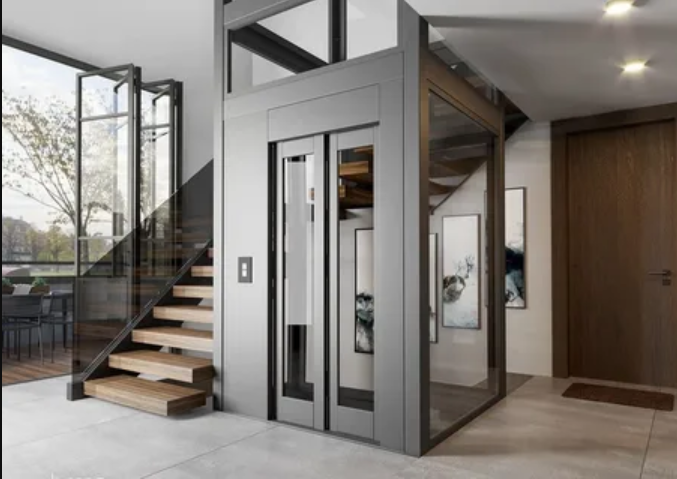
Step into a busy office tower during peak hours and you will notice something instantly. Elevators never rest. Hundreds of people move in and out of them every day. In such an environment, Lift flooring plays a far greater role than most property managers realize. It silently handles constant pressure, protects the elevator cabin, and contributes to the building’s overall impression.
Investing in high performance lift flooring is not simply a design choice for commercial buildings where durability, safety, and presentation matter equally. It is a practical decision that affects long term maintenance, passenger safety, and the perceived quality of the property.
Constant Foot Traffic Demands Durable Surfaces
Commercial elevators experience significantly more use than residential lifts. Office towers, hotels, hospitals, and shopping complexes may see thousands of passengers daily. Ordinary flooring materials wear out quickly under such conditions.
High quality lift flooring is designed to handle heavy usage without losing its strength or appearance. Materials such as reinforced vinyl, granite composites, and high density laminates are commonly selected because they resist scratches, pressure, and long term wear. This durability prevents frequent replacements and reduces operational interruptions.
Passenger Safety Is a Top Priority
Safety inside elevators is essential, especially in buildings that serve large crowds. A poorly chosen floor surface can become slippery when wet or polished by constant foot traffic.
High performance lift flooring typically includes slip resistant textures and impact resistant surfaces. These features help reduce the chances of accidents when people enter or exit the elevator. This protective element becomes extremely valuable for commercial spaces where liability risks are high.
Maintaining a Professional Building Image
The elevator is often one of the first interior spaces visitors experience when entering a commercial building. A worn or damaged floor inside the lift creates a poor impression, even if the rest of the property is well maintained.
Premium lift flooring helps maintain a polished and professional interior environment. It complements elevator panels, lighting, and cabin design while reinforcing the building’s quality standards. Property developers increasingly treat elevator interiors as part of the overall architectural identity.
Reducing Maintenance and Long Term Costs
Replacing lift flooring frequently can disrupt operations and increase maintenance budgets. High performance materials are specifically engineered to resist stains, scratches, and moisture.
These flooring solutions require minimal repairs and simple cleaning routines because of their durability. Over time, the investment often proves more economical than repeatedly installing lower quality alternatives that degrade quickly.
Supporting Modern Elevator Design
Modern commercial buildings aim to combine performance with aesthetics. Today’s lift flooring options come in a wide range of finishes, patterns, and materials that align with contemporary design concepts.
Architects and interior planners often choose flooring that blends with stone walls, stainless steel panels, or minimalist cabin styles. The result is a cohesive elevator environment that feels intentional rather than purely functional.
Final Takeaway
Elevators operate almost continuously, carrying employees, visitors, and equipment throughout the day in commercial buildings. Every component inside the cabin must be able to withstand this constant activity.
High performance lift flooring supports safety, durability, and visual appeal while minimizing maintenance demands. Selecting the right flooring is a small decision that delivers long lasting operational and aesthetic value for property managers and developers.
Frequently Asked Questions
1. What materials are commonly used for lift flooring in commercial buildings?
Commercial elevators typically use materials such as reinforced vinyl, granite composite tiles, rubber flooring, or high pressure laminates. These options are selected for their strength, resistance to scratches, and ability to maintain appearance under constant use.
2. How does lift flooring contribute to elevator safety?
Lift flooring often includes textured or slip resistant surfaces that improve grip for passengers. This reduces the chances of slips when floors are wet or polished from heavy use, helping maintain safer elevator environments.
3. How often should lift flooring be replaced in commercial buildings?
The lifespan depends on usage and material quality. High performance lift flooring can last several years with proper maintenance, while lower grade flooring may require replacement much sooner due to wear and damage.
4. Can lift flooring be customized to match building interiors?
Yes, modern lift flooring comes in a wide range of patterns, colors, and finishes. Designers often choose flooring that complements elevator walls, lighting, and the broader architectural theme of the building.
5. Is investing in premium lift flooring cost effective?
Although high quality materials may have a higher initial cost, they typically reduce long term maintenance and replacement expenses. Their durability and resistance to wear make them a practical investment for busy commercial environments.

