 +971525174521

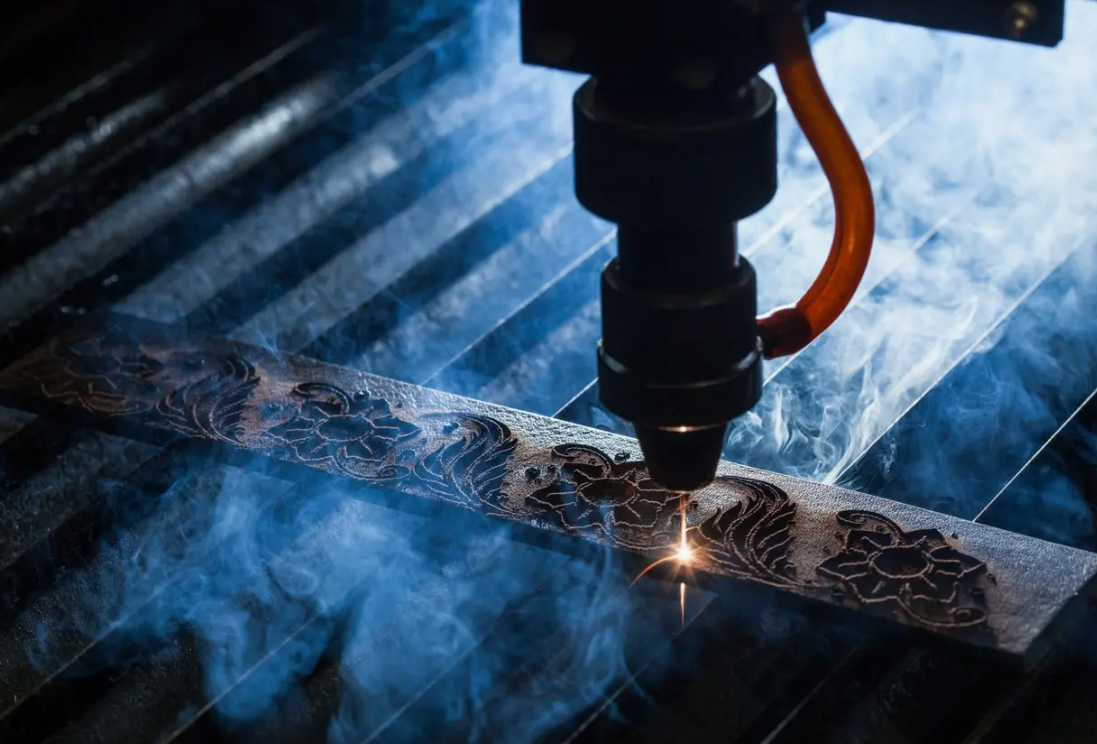
Architectural details can change how people experience a space. A plain wall may serve its purpose, but a carefully engraved surface can introduce depth, texture, and visual interest. Corian CNC Works and 3D Engraving in UAE offer designers a way to create distinctive decorative features for contemporary interiors, from reception areas to statement wall panels.
By combining computer-controlled cutting with three-dimensional detailing, solid surface fabrication can turn design concepts into precise, customised features.
What Is 3D Engraving in Solid Surface Design?
3D engraving is a machining process that creates patterns, grooves, textures, and dimensional shapes on a material’s surface. CNC technology follows a digital design to produce controlled cuts with consistent detailing.
When applied to Corian and other suitable solid surface materials, this technique allows intricate designs that may be difficult to achieve through manual fabrication alone.
Common applications include:
- Decorative wall panels with geometric patterns
- Reception counters with sculpted front surfaces
- Custom interior features with textured detailing
- Bespoke decorative elements for commercial spaces
How Corian CNC Works and 3D Engraving in UAE Enhance Interiors
1. Create Depth Without Changing the Entire Space
Three-dimensional patterns introduce shadows and highlights that change with the lighting and viewing angle. For example, a reception wall featuring recessed geometric lines can become a focal point without requiring additional decorative objects.
The key is selecting a pattern that complements the room’s proportions rather than overwhelming the surrounding design.
2. Achieve Precise and Consistent Patterns
CNC machining uses programmed instructions to guide cutting tools along predetermined paths. This makes it suitable for repeating motifs, intricate curves, and carefully aligned details.
For projects involving multiple panels, accurate digital planning helps maintain pattern continuity and reduces the risk of visible mismatches during installation.
3. Explore Custom Design Possibilities
Three-dimensional engraving supports a range of design directions, including linear textures, flowing patterns, abstract motifs, and layered geometric details. Designers can adapt these elements to suit minimalist offices, hospitality interiors, and contemporary commercial environments.
The final appearance depends on the selected material, engraving depth, pattern complexity, and surface finish.
Choosing the Right Solid Surface Sheet for 3D Engraving
A solid surface sheet should be selected according to the intended application and the level of detailing required. Material thickness, available dimensions, and the manufacturer’s fabrication guidance can influence the design possibilities.
Before approving a project, consider these factors:
- Design depth: Confirm that the proposed cuts are compatible with the material’s thickness.
- Pattern complexity: Fine details require suitable tooling and careful digital programming.
- Lighting: Directional lighting can emphasise engraved textures and create stronger shadows.
- Maintenance: Consider how grooves and recessed patterns may affect routine cleaning.
Sharing drawings, dimensions, and reference images with the fabricator helps establish realistic expectations before production begins.
What Should You Check Before Ordering Engraved Panels?
Start by identifying the panel’s purpose, viewing distance, and surrounding finishes. Request a sample or test engraving when the design includes fine lines or complex depth variations. Review panel alignment, edge detailing, and installation requirements before approving fabrication.
These checks help ensure that the finished feature looks intentional and fits the wider architectural scheme.
The Bottom Line!
Corian CNC Works and 3D Engraving in UAE make it possible to create architectural details that combine precision with creative expression. From textured feature walls to customised reception counters, the right engraving design can add dimension without compromising the overall interior concept. Careful material selection, digital planning, and fabrication checks are essential to achieving a cohesive result.
Frequently Asked Questions
1. What types of patterns can be created with 3D engraving on Corian?
Possible designs include geometric motifs, linear grooves, abstract patterns, curved detailing, and textured surfaces. The achievable result depends on the material, tooling, design file, and engraving depth. A fabricator can assess whether a particular pattern is suitable for the intended application.
2. Is 3D engraving suitable for commercial interior projects?
Yes. Engraved solid surface panels can be used for decorative features in offices, reception areas, and other commercial interiors. The design should reflect the space’s function, cleaning requirements, and visual identity while accounting for installation conditions.
3. How does CNC engraving differ from traditional carving?
CNC engraving follows digitally programmed toolpaths, helping reproduce detailed patterns consistently. Traditional carving relies more heavily on manual technique. The appropriate method depends on the design, material, required precision, and production requirements.
4. How do I choose a solid surface sheet for CNC engraving?
Consider material compatibility, thickness, panel dimensions, intended engraving depth, and the manufacturer’s fabrication instructions. Discuss the design with the fabricator before purchasing sheets to confirm that the selected material can accommodate the proposed details.
5. Does lighting affect the appearance of 3D-engraved architectural panels?
Yes. Light direction and intensity influence the shadows created by recessed patterns. Side lighting often highlights depth and texture, while softer, more uniform lighting creates a subtler effect. Lighting should be considered during the design stage for a balanced finish.