 +971525174521

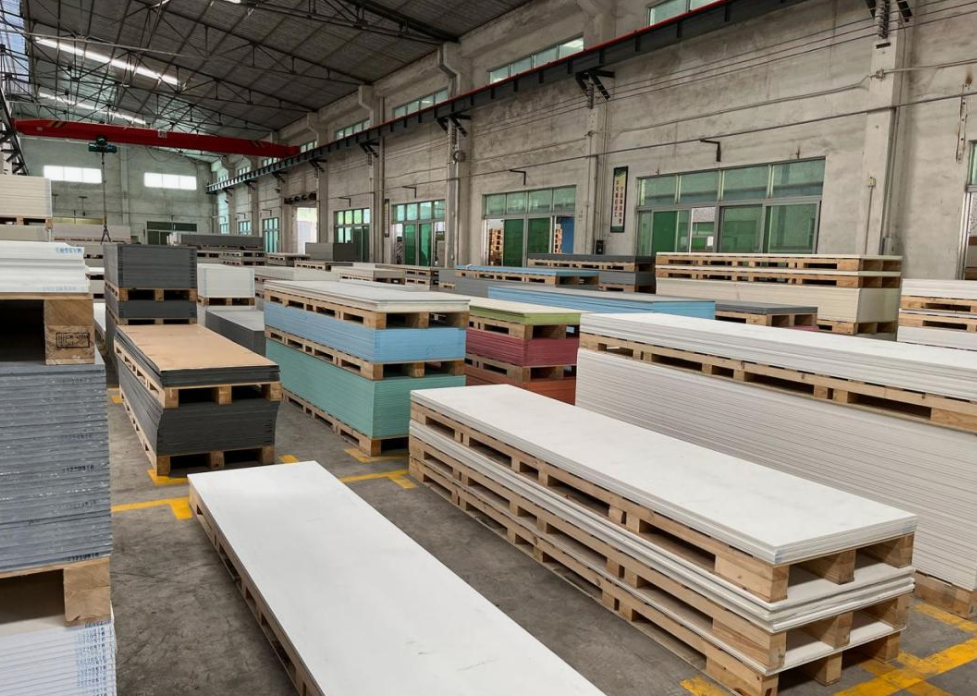
A countertop, reception desk, or bathroom vanity can do more than serve a practical purpose. With the right material, even an ordinary corner can become a defining feature of an interior. Solid surface materials make this possible by combining a smooth appearance, design flexibility, and everyday functionality.
For homeowners, architects, and commercial property designers, understanding what solid surfaces offer can make material selection easier. Working with experienced Solid surface manufacturers also helps translate creative ideas into practical interior features.
How Solid Surface Materials Transform Interior Spaces
Solid surface is a versatile material made using natural minerals and resins. It can be fabricated into countertops, wall cladding, vanities, and decorative features, allowing designers to create coordinated interiors.
Its appeal comes from the combination of appearance and practicality. The material offers varied colours, patterns, and customisation possibilities for residential and commercial projects.
1. Create a Visual Centrepiece with Countertops
A kitchen island or reception counter can become the focal point of a room. Solid surface sheets allow designers to explore different colours, shapes, and edge profiles while maintaining a consistent finish.
For example, a light-coloured kitchen countertop can make a compact space feel brighter, while a contrasting reception desk can establish a distinct identity for a commercial interior.
2. Bring Continuity to Bathrooms
Bathrooms often contain several separate surfaces, including vanity tops, walls, and basins. Using complementary solid surface materials helps connect these elements visually.
Solid surface vanities offer a smooth, easy-to-clean finish. Their colour and design options also make it easier to coordinate with bathroom tiles, lighting, and cabinetry.
3. Explore Creative Shapes and Custom Designs
One advantage of solid surface materials is their adaptability. Sheets can be cut, shaped, and fabricated for different design requirements.
Designers can consider:
- Curved reception counters that soften formal spaces.
- Custom tabletops that complement existing furniture.
- Wall cladding that creates a consistent visual feature.
- Decorative surfaces that introduce colour without overwhelming a room.
Solid surface manufacturers can help assess whether a proposed design is practical for its intended application.
Choosing Solid Surface Materials for Your Project
The right selection depends on more than appearance. Before choosing a material, consider how the space will be used, how often the surface will need cleaning, and how it will coordinate with surrounding finishes.
What Should You Check Before Buying?
- Colour and pattern: Review samples under the room’s lighting and alongside existing materials.
- Application: Confirm that the selected product suits its intended use, whether for a kitchen, bathroom, or commercial counter.
- Customisation: Discuss dimensions, shapes, and fabrication requirements before finalising the design.
- Maintenance: Understand the recommended cleaning and care instructions.
For projects in the UAE, buyers searching for a Leading Corian Sheets Supplier in UAE should also compare available sheet options, customisation support, and suitability for their specific project.
The Bottom Line!
Solid surface materials can turn ordinary countertops, vanities, and wall features into distinctive design elements. Their colour choices, customisation possibilities, and practical finishes make them useful across residential and commercial interiors.
By working with experienced Solid surface manufacturers and evaluating materials according to the space’s needs, designers can create interiors that balance visual appeal with everyday functionality.
Frequently Asked Questions
1. What makes solid surface materials suitable for modern interior design?
Solid surface materials offer a smooth appearance, varied colours and patterns, and flexibility for custom fabrication. They can be used for countertops, vanities, wall cladding, and decorative features, helping designers create coordinated interiors that suit different styles and practical requirements.
2. Can solid surface materials be customised for unusual spaces?
Yes. Solid surface sheets can be cut and shaped to meet different project requirements. This makes them useful for custom counters, curved features, and decorative installations. The final design depends on the material’s specifications and the fabricator’s capabilities.
3. Are solid surface countertops suitable for commercial spaces?
Solid surface countertops can be considered for reception areas, retail environments, restaurants, and other commercial interiors. Buyers should assess expected use, cleaning requirements, and the product’s suitability before selecting a surface for a particular application.
4. How should I choose colours for solid surface interiors?
Consider the room’s lighting, existing finishes, and overall design style. Request samples and view them alongside flooring, cabinetry, and wall colours. This helps you understand how the surface will look in the actual space before making a final selection.
5. What should I ask solid surface manufacturers before placing an order?
Ask about available colours and patterns, sheet dimensions, customisation options, fabrication requirements, maintenance instructions, and suitability for your intended application. You should also clarify project measurements and installation requirements to help avoid design changes later.

