+971525174521

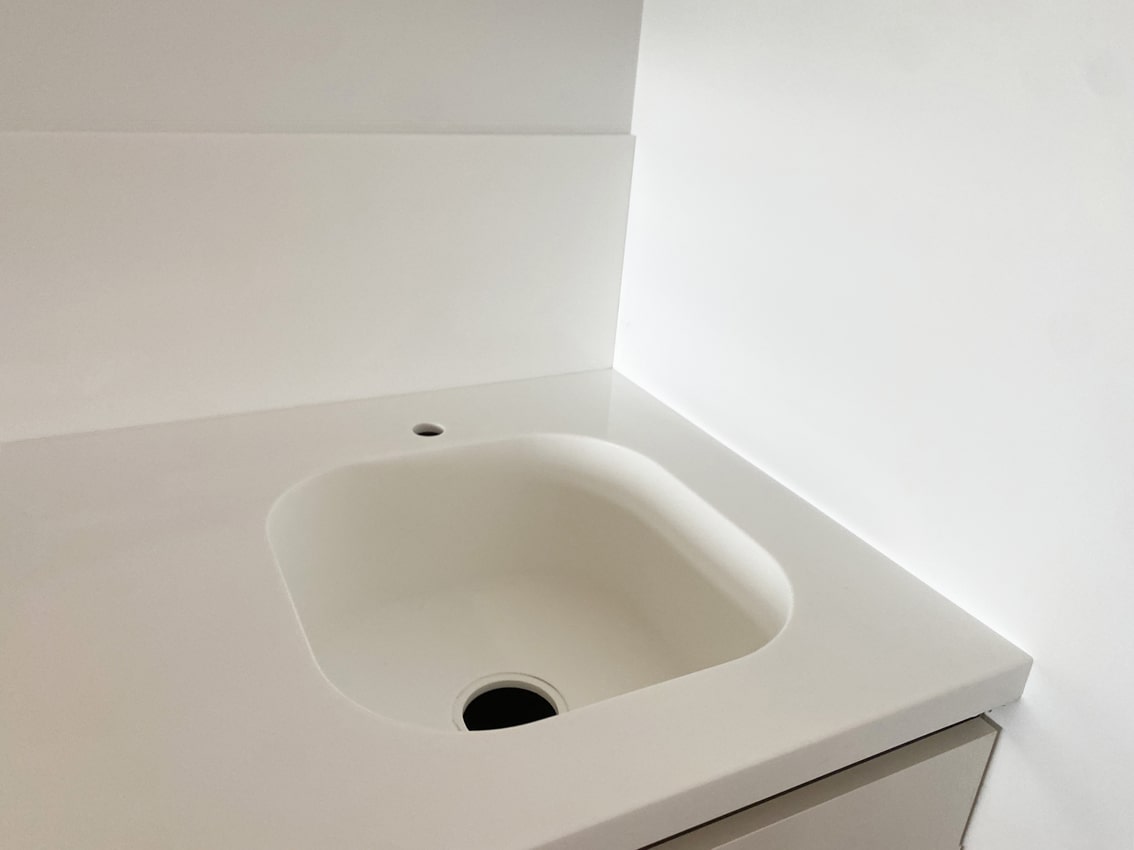
Modern architecture requires materials that balance visual appeal with practical performance. From reception counters to kitchen worktops, the right surface can influence how a space looks, functions, and feels. Staron solid surface is a material worth considering for architectural applications that call for clean finishes, adaptable designs, and coordinated interiors.
Understanding where to use solid surface materials helps architects, interior designers, and property owners make informed decisions based on each space’s requirements.
1. Kitchen Countertops and Islands
Kitchens need work surfaces that support everyday activities while complementing the surrounding cabinetry. Solid surface materials can be used for countertops, preparation areas, and kitchen islands, helping create a consistent appearance across different elements.
Designers can coordinate the surface with cabinet finishes and wall treatments to establish a cohesive interior. Before selecting a material, consider the kitchen’s expected use, cleaning requirements, and exposure to heat or sharp utensils.
2. Bathroom Vanities and Wash Areas
Bathrooms benefit from surfaces that create a clean, unified appearance. Solid surface materials can be considered for vanity tops, wash counters, and selected custom fixtures.
Their design flexibility can help architects coordinate countertops with sinks and surrounding finishes. However, the suitability of a particular application depends on the product specification, installation details, and exposure to moisture and cleaning products.
For shared bathrooms in residential developments, hotels, and commercial buildings, selecting a surface that is practical to maintain is particularly important.
3. Reception Desks and Commercial Interiors
A reception area often shapes visitors’ first impressions of an office, hotel, or showroom. Solid surface materials can help create contemporary reception counters with clean lines and coordinated finishes.
Architects can incorporate curves, distinctive counter profiles, and custom dimensions where the product and fabrication methods permit. These features can help reception desks complement the wider interior concept rather than appear as separate furniture pieces.
When planning commercial installations, consider daily usage, accessibility, cleaning routines, and the practical requirements of the reception team.
4. Wall Features and Decorative Installations
Architectural surfaces do more than cover functional areas. They can also contribute to the visual identity of a space through feature panels, selected wall applications, and custom interior elements.
Solid surface materials may suit projects that require a coordinated look across counters and decorative features. Before specifying them for vertical installations, confirm the product’s suitability, fixing system, substrate requirements, and installation instructions.
5. Retail, Hospitality, and Custom Interiors
Retail stores, restaurants, and hospitality environments often require surfaces that align with a distinctive design concept. Solid surface materials can be considered for service counters, display elements, and selected bespoke installations.
The key is to match the material to the application. A busy service counter may require different performance considerations from a decorative display. Architects should evaluate expected wear, maintenance needs, fabrication possibilities, and project specifications before making a selection.
How to Choose the Right Solid Surface Application
Before specifying Staron solid surface for an architectural project, consider these factors:
- Intended use: Identify whether the surface will support food preparation, washing, customer service, or decoration.
- Design requirements: Review available colours, finishes, dimensions, and fabrication options.
- Maintenance: Check the recommended cleaning methods and care instructions.
- Installation: Confirm substrate, support, joint, and fixing requirements with the supplier and installer.
- Product suitability: Verify that the selected material meets the demands of its intended environment.
Final Takeaway!
Staron solid surface can be considered for kitchen countertops, bathroom vanities, reception desks, decorative features, and selected commercial installations. The best application depends on the project’s functional needs, design goals, and product specifications.
Working with a knowledgeable supplier helps architects and designers evaluate suitable options, confirm installation requirements, and select surfaces that fit the intended space.
Frequently Asked Questions
1. Where can Staron solid surface be used in architectural projects?
Staron solid surface can be considered for kitchen countertops, bathroom vanities, integrated sinks, reception counters, wall cladding, tables, and decorative interior elements. The appropriate application depends on the selected product, fabrication method, and project specifications.
2. Is solid surface suitable for healthcare and educational facilities?
Solid surface materials can be used for reception desks, laboratory counters, and selected work surfaces in healthcare and educational settings. Their non-porous finish can support routine cleaning, but suitability for specific hygiene requirements must be verified against product specifications.
3. Can solid surface materials be customized for architectural designs?
Yes. Depending on the material and fabrication method, solid surface sheets can be cut and shaped for custom counters, curved features, and coordinated interior installations. Architects should confirm available colours, sheet dimensions, joining techniques, and fabrication limitations before finalizing a design.
4. What should architects check before selecting a solid surface supplier in the UAE?
Review the available colours and patterns, product specifications, customization options, technical assistance, and suitability for the intended application. Confirm installation requirements and maintenance recommendations before ordering materials for residential or commercial projects.
5. How should solid surface installations be maintained?
Use the cleaning products and methods recommended for the selected material. Mild soap, a soft cloth, and non-abrasive cleaners are commonly suitable for routine cleaning, but specific care instructions should always take precedence.